A practical way to run stock counts in a hardware shop
Build a repeatable stock-count routine for bags, boxes, pieces and lengths without stopping the whole shop.
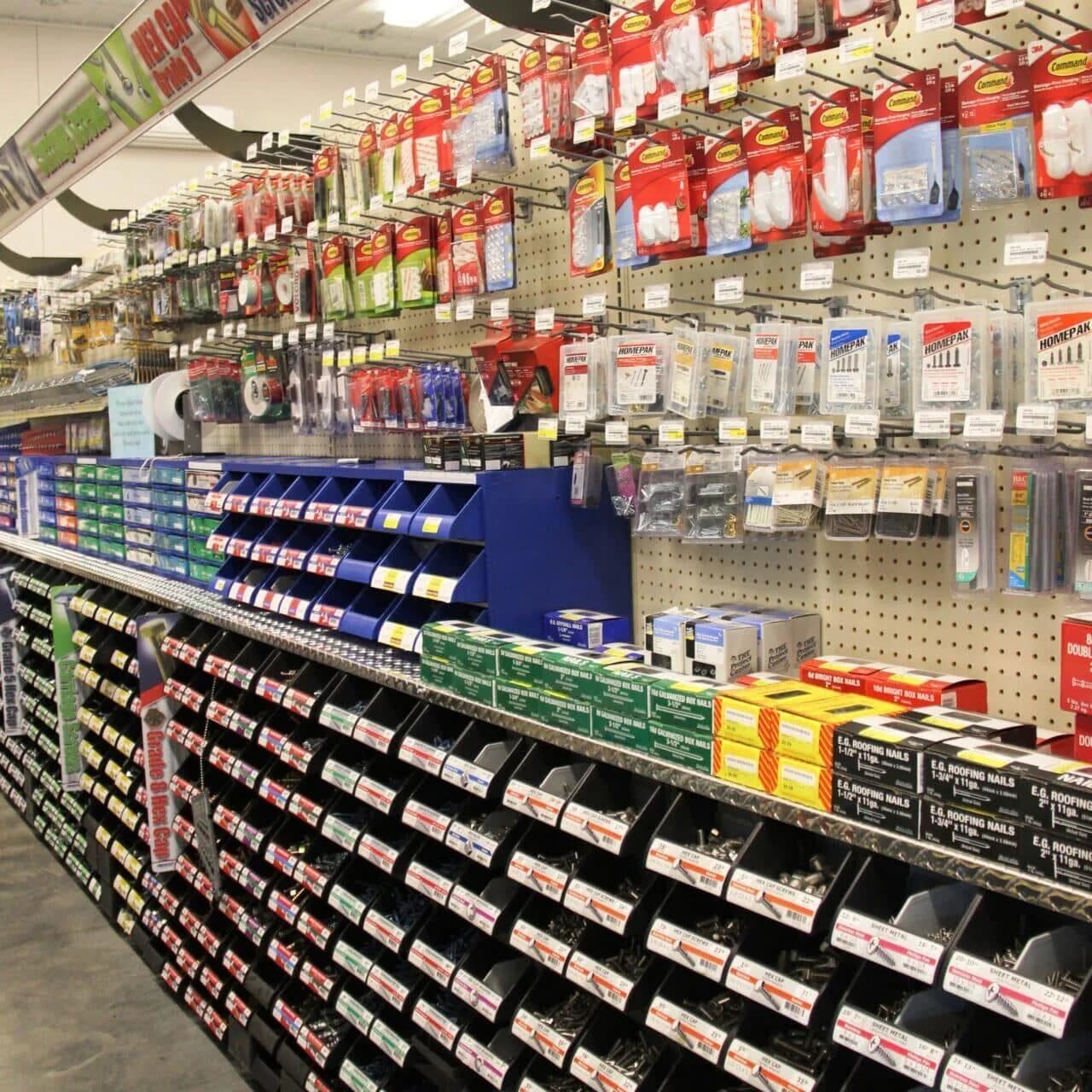
A stock count is most useful when it explains a difference, not just when it produces a number. In a busy hardware shop, products move in many forms: a cement bag, a carton of screws, a single fitting or a cut length of cable. The routine below keeps those movements visible and gives the team a shared way to check the shelves.
1. Choose a calm counting window
Pick a time when receiving and counter sales can be paused or assigned to one person. Tell the team which shelves, yard areas and locked stores are included. If a full count is too disruptive, count one product group at a time and keep a simple record of what has been completed.
Do not count stock that is still on a delivery vehicle as shop stock. Keep customer-reserved goods and damaged goods separate so they are not quietly counted as available items.
- Print or prepare a list by shelf, product group or storage area.
- Have a pen, calculator, labels and a second person ready for a check.
- Mark each counted location so a colleague does not repeat it.
2. Count in the unit you actually sell
Start with the product's base unit, then note how it is packed. For example, record bags as bags, boxes as boxes and individual fittings as pieces. If a carton contains smaller sellable units, write down both numbers rather than relying on memory. This avoids turning a box into the wrong quantity when a customer buys only part of it.
Lengths need the same care. If cable, pipe or wire is sold by metre, record the remaining length and the unit used at the counter. Never mix a supplier's pack description with the unit used for a sale without writing down the conversion.
3. Investigate differences before correcting them
Compare the count with the recorded balance only after checking recent sales, receiving notes, transfers and returns. A difference may be a sale waiting to be recorded, a delivery entered in the wrong unit, a damaged item left in a corner or a product placed on the wrong shelf.
Write the reason beside the adjustment. A short note such as ‘two broken tiles removed’ is more useful than silently changing the quantity. If the reason is unknown, leave that uncertainty visible and ask a supervisor to approve the correction.
4. Turn the count into a weekly habit
Use the result to choose a small group for the next count. Start with fast-moving, high-value or frequently substituted items, then rotate through the rest of the shop. Keep the same product naming and units each time so the trend is comparable.
A digital inventory record can make this routine easier by keeping product units and stock movements together. It should support the conversation at the shelf, not replace a physical check.